Planning Your Traditional Muslim Wedding
As with many cultural and religious ceremonies, the formalities and traditions have evolved in small ways over the years. Some once-strict traditions have been abandoned or modernized. How to-the-letter a Muslim wedding is, is a matter of personal choice and belief.
Traditionally for Muslims, the groom’s parents decide on a suitable bride for their son. Whether this tradition is what brought you and your future husband together, or if the two of you met through other circumstances, you have lots to do in these upcoming months, so let’s get going!
The Mangni.
This is the first ceremony you’ll have, months before the wedding. It’s similar to the traditional engagement party, only you and your husband-to-be exchange rings.
Gifts.
Both the bridal family and the groom’s family give gifts to one another before the wedding and directly following the wedding. A common Muslim wedding gift is a copy of the Qur’an (also spelled the Koran), so make it a point to find these for your new family as soon as possible.
Bridal attire.
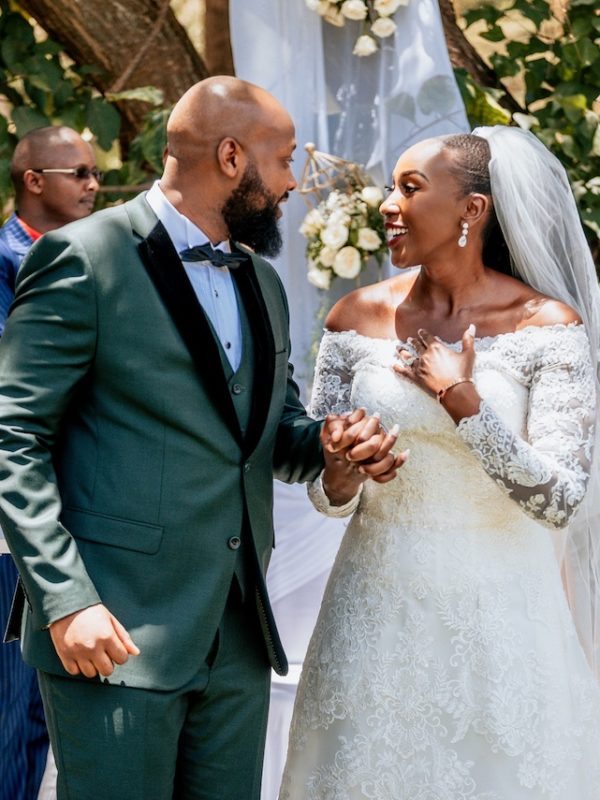
Islamic brides traditionally wear a robe in a deep, cherry red. Brides also wear a ghunghat, which is a veil that covers the head, as well as the shoulders, back and waste, depending on length.
The draping of the garment is complete when a chunri is tucked in on the waist and pleated around the body and draped over one shoulder. Next, an odhnis, normally made of silk, is used in the center of the veil to cover the head and is tucked inside the neck of the upper garment.
Groom attire.
To make sure your husband-to-be is dressed appropriately for the wedding, he needs to wear a safa, nattily wound pagdi or a topi.
If you’re practicing Muslims from northern, central or west India, it’s tradition for the man to wear a golden kalgi with stones on the right side of the groom’s safa.
Men are decorated with gold, red and white dots on and around their forehead, symbolizing their marriage, and usually wear a white silk brocade suit, sword and turban.
The Manjha ceremony.
This is a special time for the bride and other unmarried women in her life. Conducted at the bride’s house a few days prior to the wedding day, other unmarried women apply a turmeric paste made with sandalwood and chameli oil, provided by the groom’s family, onto the bride.
In addition, Henna artwork is applied to her hands and feet as a symbol of the approaching marriage day. After this ceremony, the bride is to stay in her house until the wedding day!
The wedding day.
There’s more than just the ceremony and the reception. For starters, the groom has a procession where friends and family go with him from his house to the wedding location, either by car or horse. When the groom and his followers enter, beating drums and musical instruments play. The groom and brother of the bride then have a glass of sharbet, a sweet drink, and any form of dower or money for the bride’s hand in marriage.
For strict traditional ceremonies, the men and women are seated in separate rooms. However, this is not practiced by all.
The bride and groom sign the Nikaahnama, the legal document solidifying the relationship.
The blessing of the groom is done by the older women of the ceremony and the groom, as a mark of respect to the elder women, offers them a “salaam.”
Dinner.
Dinner is served directly following the groom’s blessing. The men and women are seated separately, while the groom dines alone.
The bride and groom unite.
After the large feast, the bride and groom are seated together for the first time. A dupatta, a long piece of cloth, is placed over the faces of the couple as they read prayers from the Qur’an.
The wedding night.
The bride and groom, although married, do not spend their first night together. They sleep separately in the bride’s house and the following morning, gifts are exchanged between the bride’s family and the groom. The new couple retreats to their new home to begin life as man and wife.