Planning Your Protestant Wedding
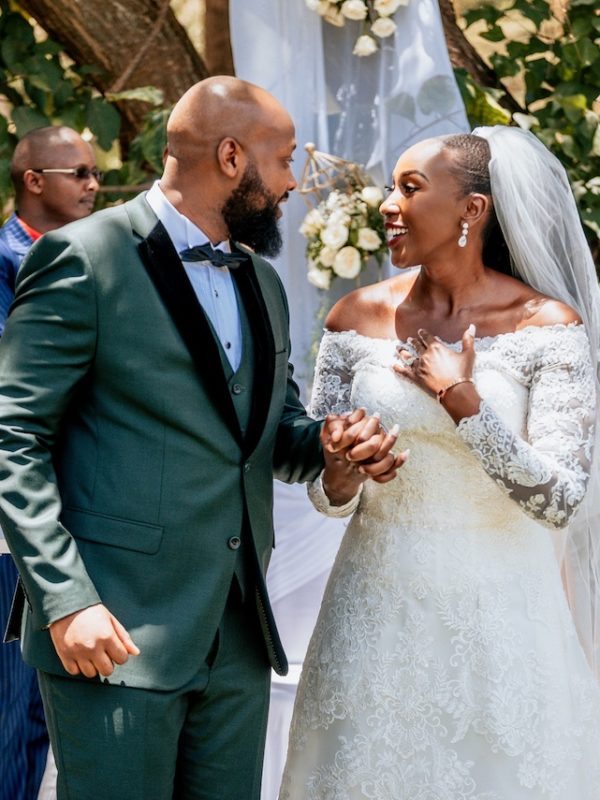
The weddings depicted in movies and on television are usually Protestant, but in reality the details and traditions vary, depending on whether it is a Presbyterian, Baptist, Lutheran, Methodist, or another denominational ceremony. If you are planning a Protestant wedding, there are a few things that you should know…
In the beginning.
First, select the location and set the date. Your wedding should avoid major Christian holidays, such as Christmas and the week between Palm Sunday and Easter. If you are planning on being married in a church you should also steer clear of Sunday or any other day that would conflict with church services. Churches and other venues book early, so you will want to make a reservation several months in advance, especially if you are planning on marrying in the summer.
Many churches have marriage requirements; some will only marry members of their own denomination or congregation, and others ask that one or both of you present proof of baptism or confirmation. For example, the Episcopal Church requires that at least one person must be a baptized Christian. If you are not a regular attendant of the church, you may have to discuss your faith and beliefs with the pastor or minister before he or she agrees to marry you. If you would like to have a pastor from outside the church perform the ceremony, you should also find out if the church allows this.
Ready the journey.
Decide if you will need or desire premarital counseling. Some faiths and churches require that you attend several sessions, while others simply offer the service to interested couples. If you would like to further discuss your faith and relationship with your fiancé before you marry, you might find counseling helpful.
Clear as many specifics of your wedding that you can think of with your pastor or minister. Many churches have rules concerning the structure and details of your ceremony. You may not serve alcohol in some churches, and ministers often ask that you discuss the music, decorations, and other elements with them before the wedding. Asking about the requirements early in the planning process will ensure that you do not purchase or arrange services that your church does not allow.
Down the aisle.
Prepare your vows. Some churches have standard vows, while others allow you to adapt or create your own. In a Unitarian wedding, for example, the church often works together with the couple to create a ceremony that reflects their spiritual beliefs and traditions.
Decide if you are going to serve Holy Communion, and create wedding programs to help non-Protestant guests understand the meaning of your ceremony, and they should know that they do not have to participate in every aspect of the service, if they do not wish to.
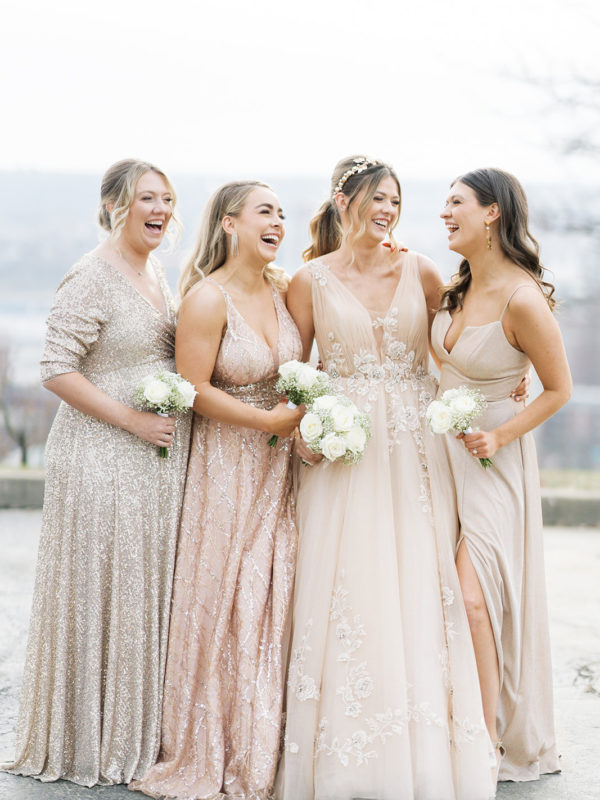
Determine the details of your processional. Traditionally, the groom and best man wait at the altar. The rest of the wedding party then enters in the following order: the groomsmen, the bridesmaids, the maid of honor, the flower girl, and finally the ring bearer. In some ceremonies, the groomsmen escort the bridesmaids down the aisle. The bride enters last, accompanied by her father. Many couples today choose to adapt this procession. You might have an unequal number of bridesmaids and groomsmen or want to have both of your parents escort you down the aisle. Talk with your minister or pastor to determine what is most appropriate for your wedding.
With a minimum of planning, you can have a beautiful Protestant wedding that reflects your love, as well as your faith.