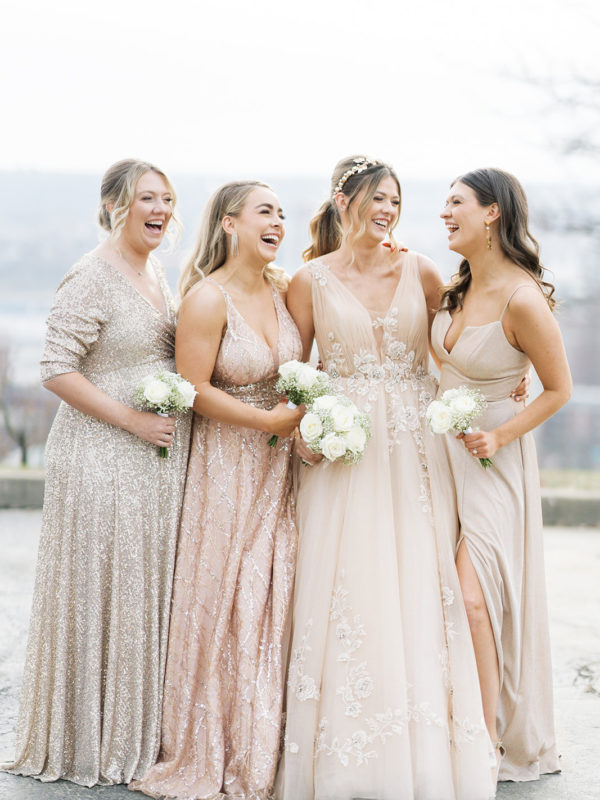
The Tradition of Bridal Headpieces and What Modern Brides Should Know
The wedding veil, like most ceremony traditions, has a long and fascinating history. Most historians trace the veil back to Greek and Roman times, when brightly colored veils kept evil spirits away from the bride. Later, the veil symbolized submission, as the woman shielded her face from the groom until he lifted it up during the ceremony. George Washington’s granddaughter is rumored to have started the lace wedding veil tradition, after her husband-to-be saw her standing behind a lace curtain and was stunned by her beauty. In more recent times, the veil has symbolized chastity, and, like the white dress, festivity and fun.
Whether or not you wear a veil is up to you, as there are no longer strict rules regarding the accessory. It does help to understand the etiquette, especially if you are having a formal ceremony, or are worried about what great-grandmother might think.
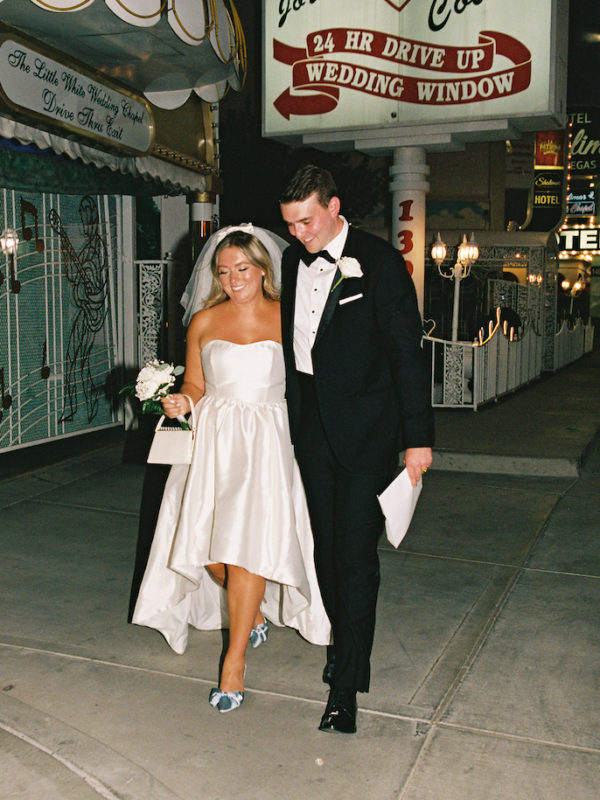
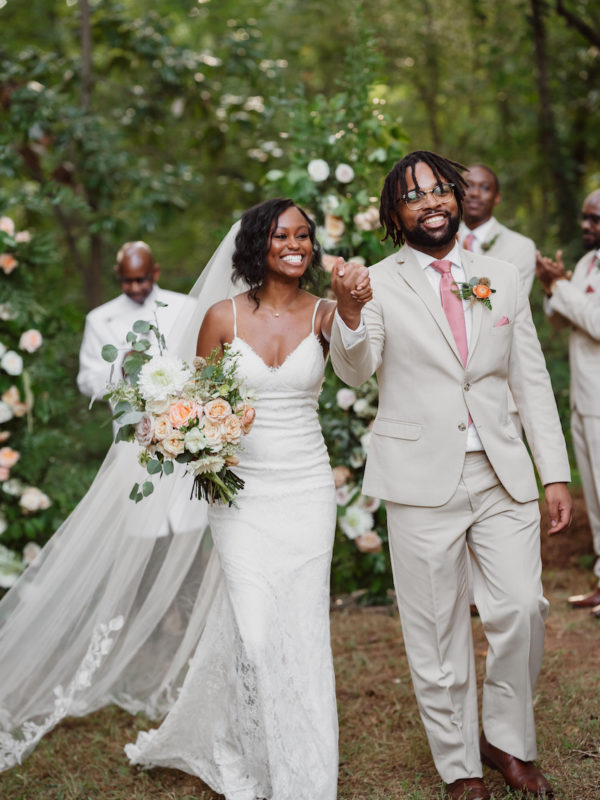
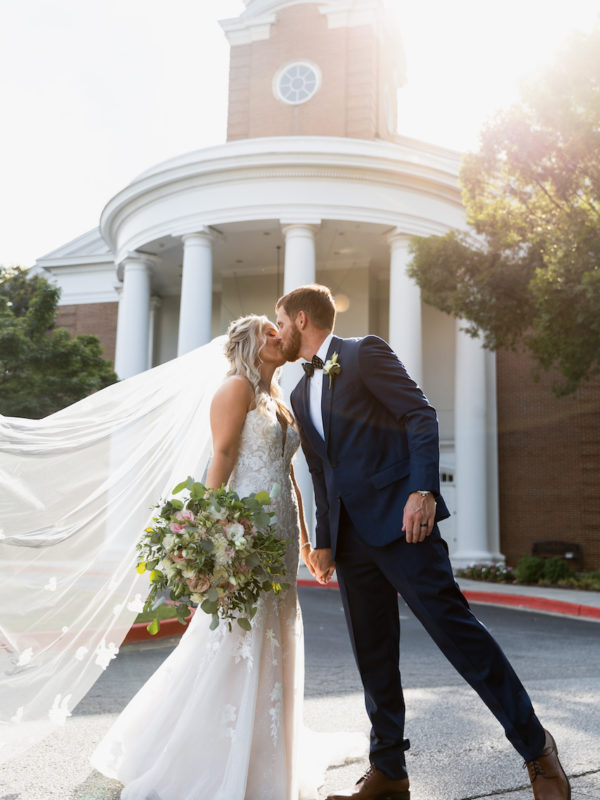
While once taboo to wear a veil for a second marriage, that rule no longer applies. (Second-time bride Barbra Streisand, who didn’t have a big “first” wedding, opted for a long, traditional veil.) However, it’s common to forego the Cathedral-length veils, which go down to the floor and are associated with virginity and first-time marriage, in favor of something shorter, like a Blusher, which covers only the bride’s face. Another popular option for all brides is the Flyaway, which ends at the shoulder. Fingertip veils end, you guessed it, just above the fingers.
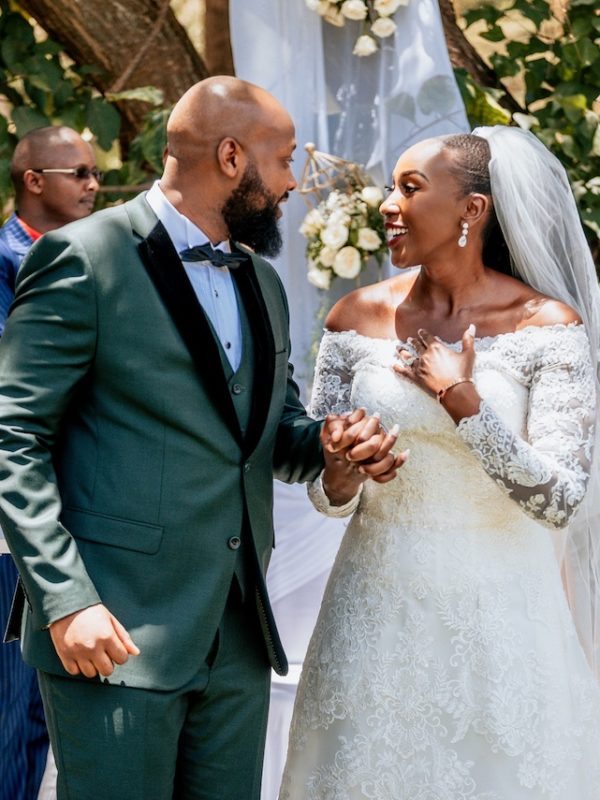
Should you decide to wear a veil, make sure any ornamentation starts below the detailing on your dress, so they don’t compete for attention and don’t clash. If you’re wearing an antique veil, it’s not important that the detail, or shade of white, matches your dress, only that it complements the gown. If you want to show off the back of your gown, opt for a shorter veil. Most brides keep their veils on for the initial reception photos; consider removing it before the first dance.
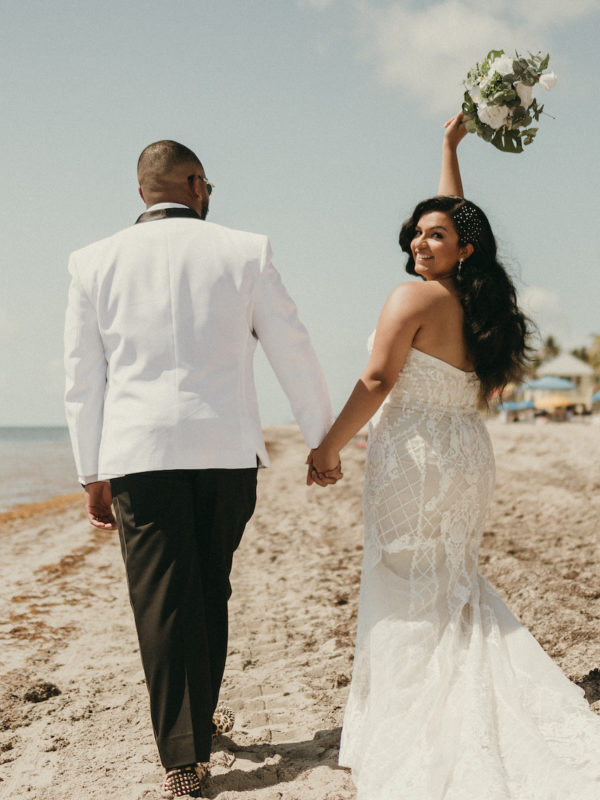
If a veil is not for you, check with your house of worship about any head-covering requirements. These days many women wear tiaras, barrettes, flowers, or just go it alone. Wear what makes you feel beautiful and you’ll be on top of the world.
-David Toussaint
Check Out a Guide to Bridal Veils
Check Out Wearing Your Hair “Up” on Your Wedding Day
Check Our Your Guide to Bridal Headpieces